AI Foundry lab · Studio 45, San Francisco · Friday 16 October 2026
AI Foundry lab, 16 October 2026: who came, and what we did
Seven visitors joined Roman and Tanya at the lab on Friday afternoon: a tour of the ET-SoC-1 cards, a teardown at the bench and a look inside the flasher box. By evening a thermal camera was streaming the back of aifoundry2's card to a public page.
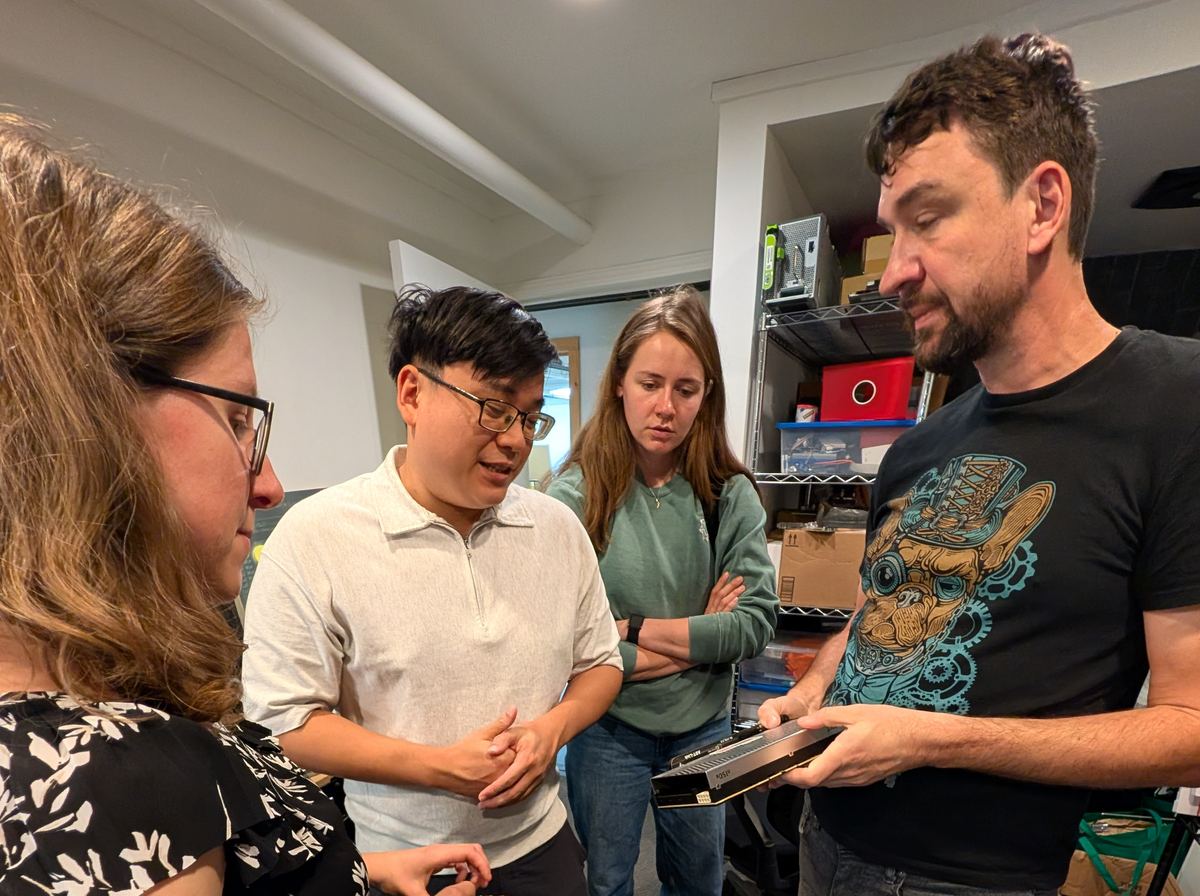
Seven visitors and two hosts
In the order they arrived, after our hosts. Each card says who they are, how we met, and what they did on Friday.
-
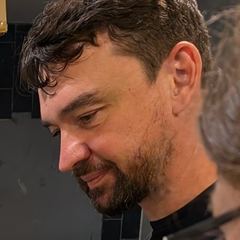
Roman Shaposhnik
Co-founder of Ainekko · runs the lab
- Background
- Ainekko bought Esperanto's chip IP in 2025 and is opening it up as AI Foundry. Before: Sun, Yahoo, Cloudera and Pivotal; founder of Apache Bigtop; founding CTO of ZEDEDA.
- How we met
- I messaged Roman here on Discord in mid-September and visited the lab the next day. I've been working on the cards ever since.
- Friday
- Gave the tour. The next step for the camera's card, in Roman's words: firmware experiments.
-
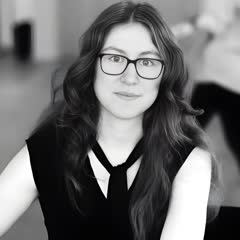
Tanya Dadasheva
Co-founder and CEO of Ainekko
- Background
- Before Ainekko, an investor at Almaz Capital, which backed Esperanto.
- How we met
- Over lunch at the lab in September, on my first visit.
- Friday
- Opened the flasher box: the hand-held programmers that can reflash a card's firmware.
-
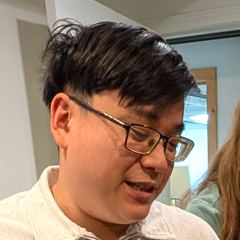
Howie
Analyst at SemiAnalysis
- Background
- Covers fab hardware and chip manufacturing at SemiAnalysis.
- How we met
- Dylan Patel introduced us in early October. Friday was our first meeting in person.
- Friday
- Opened an OCP server sled on the tour, then took a phone apart at the bench on the lab's hot plate. Talked through how a working card could be opened so a camera sees the die itself.
-
Laura Bocek
Founder of Station House
- Background
- Station House does open, collaborative AI research. Before: Cerberus Ventures and Toyota Research Institute.
- How we met
- At South Park Commons' new-member orientation in October. Laura joined my Monday energy-efficient training group the same day, and Laura's entries to my MNIST speedrun have been merged since.
- Friday
- First runs on a card, aifoundry3 card 0: the MNIST challenge. Next: timing shires that talk to each other near and far apart.
Discord: likelytobelaura
-
Eric Frank
Vinci · ex-Uber AI Labs
- Background
- Vinci builds physics foundation models for hardware simulation. At Uber AI Labs, a co-author of CoordConv and PPLM.
- How we met
- We go back to the Uber AI Labs circle. The first group visit to this lab, on 2 October, was Eric's idea.
- Friday
- Talked through thermal-model runs on the cards: a model of how the die heats, fitted to the chip's own sensors and used to schedule work. Next come frequency experiments, with guardrails so a card can't overheat.
Discord: mysterefrank
-
Preston
Came with Eric
- Background
- A student, new to the cards. On the lab's Tailscale since Saturday.
- How we met
- Through Eric, on Friday.
- Friday
- A tour, and a first experiment to try: Kaleidoscope matrices from Chris Ré's lab, which write the FFT as a product of sparse matrices, run on the ET-SoC-1 against a GPU.
-
Mitchell Nahmias
Co-founder and CTO of Sphere Semi
- Background
- Sphere Semi designs analog, RF and mixed-signal chips with AI. Before: co-founder of Luminous Computing (silicon photonics for AI); a Princeton PhD on photonic neurons.
- How we met
- I reached out in April, and Mitchell has been a regular at my Monday group at South Park Commons since. Mitchell pointed me to the on-die temperature sensors we now read.
- Friday
- Ideas for modelling the chip's performance: a ladder of models, from a toy grid up to one tuned to the ET-SoC-1.
Discord: mitchsbrew
-
Daanish Shabbir
Founder of Equivariant Systems
- Background
- Equivariant Systems builds physics simulation for hardware, heat first. Before: Stanford, then NVIDIA.
- How we met
- At South Park Commons in January 2025, at the Deep Learning for Science forum Daanish started there. Among the first to join my Monday group this year.
- Friday
- Held an ET-SoC-1 card, met Eric and Howie at the bench, and talked about modelling heat and reliability on real chips.
-
Misha Makarov
Building Spacesheep
- Background
- Spacesheep hosts this page and the camera's live stream.
- How we met
- A close friend.
- Friday
- Came by in the evening to photograph the camera install.
From the tour to a live thermal camera
The afternoon in nine steps, in San Francisco time (yours beside it if you are elsewhere).
-
The tour, and an OCP server opened
Roman walked everyone through the cards and the machines. Howie, the first to arrive, opened up an OCP server sled.
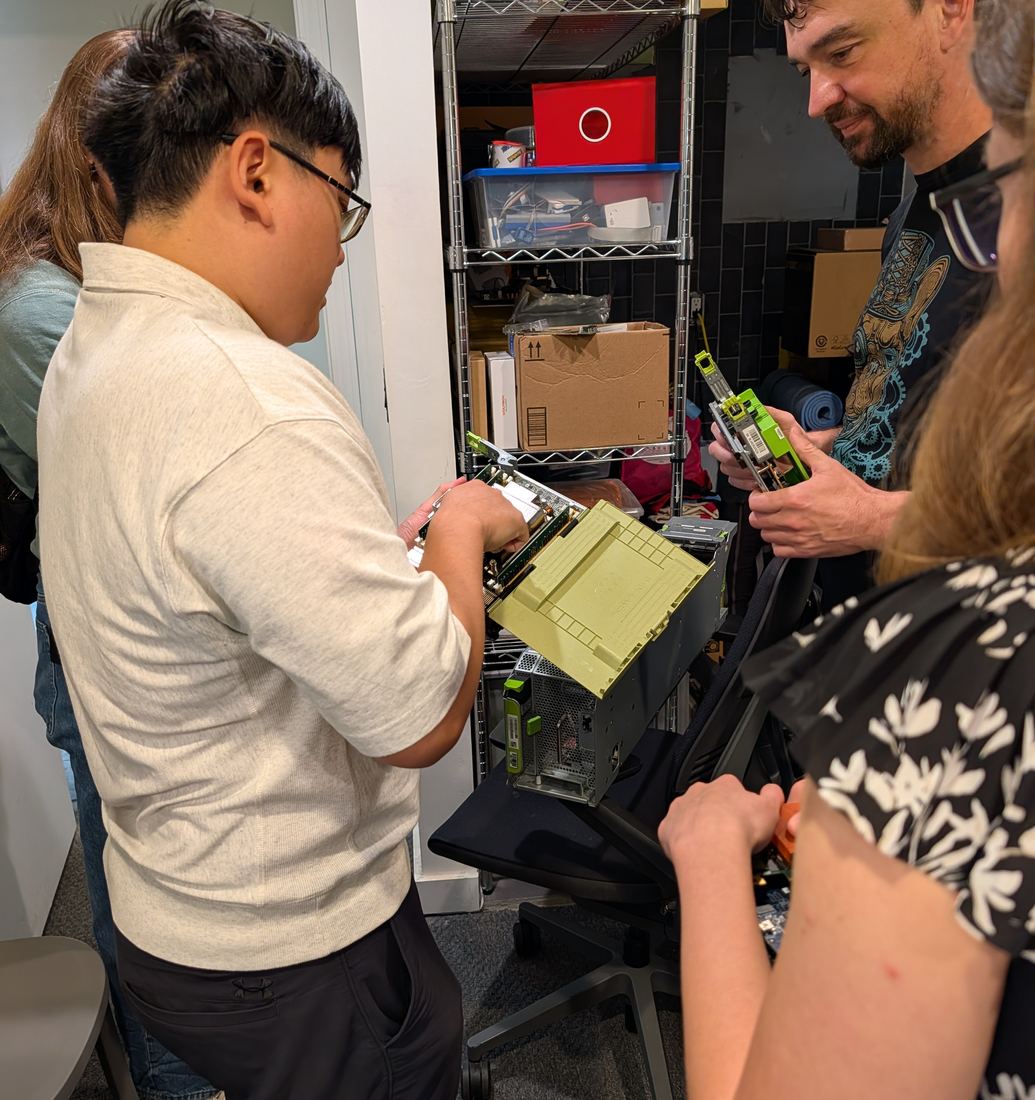
Howie and Roman with the OCP sled. -
Laura's first runs on a card
Laura took aifoundry3 card 0 for the MNIST challenge and released it at . Next on Laura's list: timing shires that talk to each other near and far apart.
-
A teardown at the bench
Howie borrowed the lab's hot plate to take a phone apart.
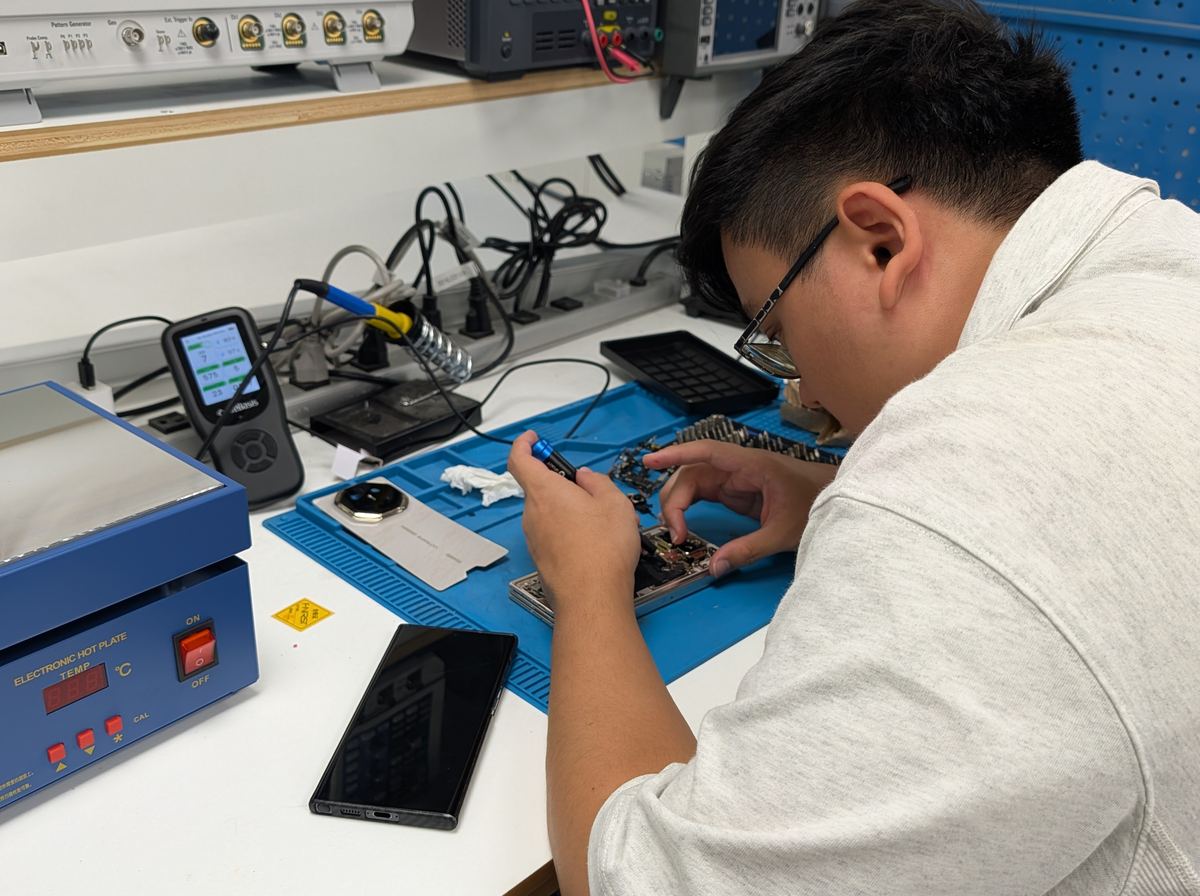
Howie at the bench: hot plate on the left, the phone's frame on the mat. -
Eric and Mitchell on modelling the chip
Eric walked Mitchell through his thermal model of the die. Mitchell sketched a ladder of performance models, from a toy grid up to one tuned to the ET-SoC-1.
-
Daanish arrives, and holds a card
Daanish met Eric and Howie at the bench, then Roman and Tanya.
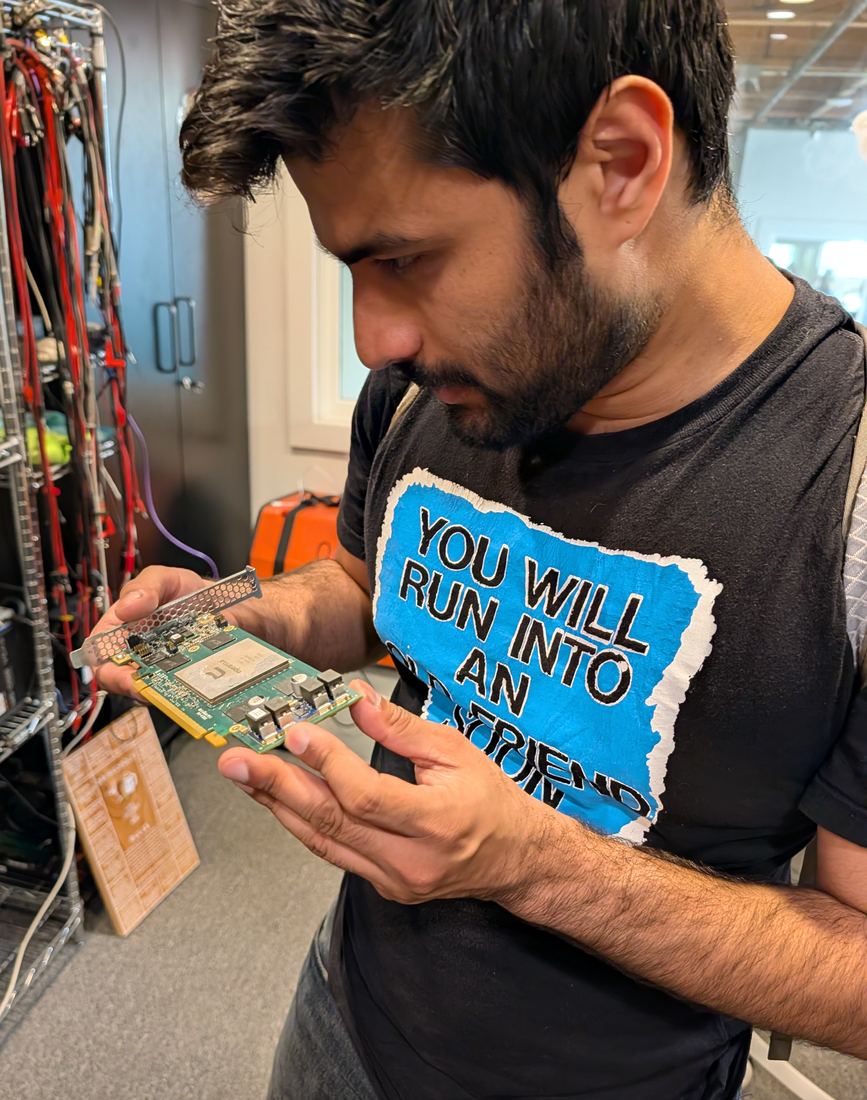
An ET-SoC-1 card, out of its machine. 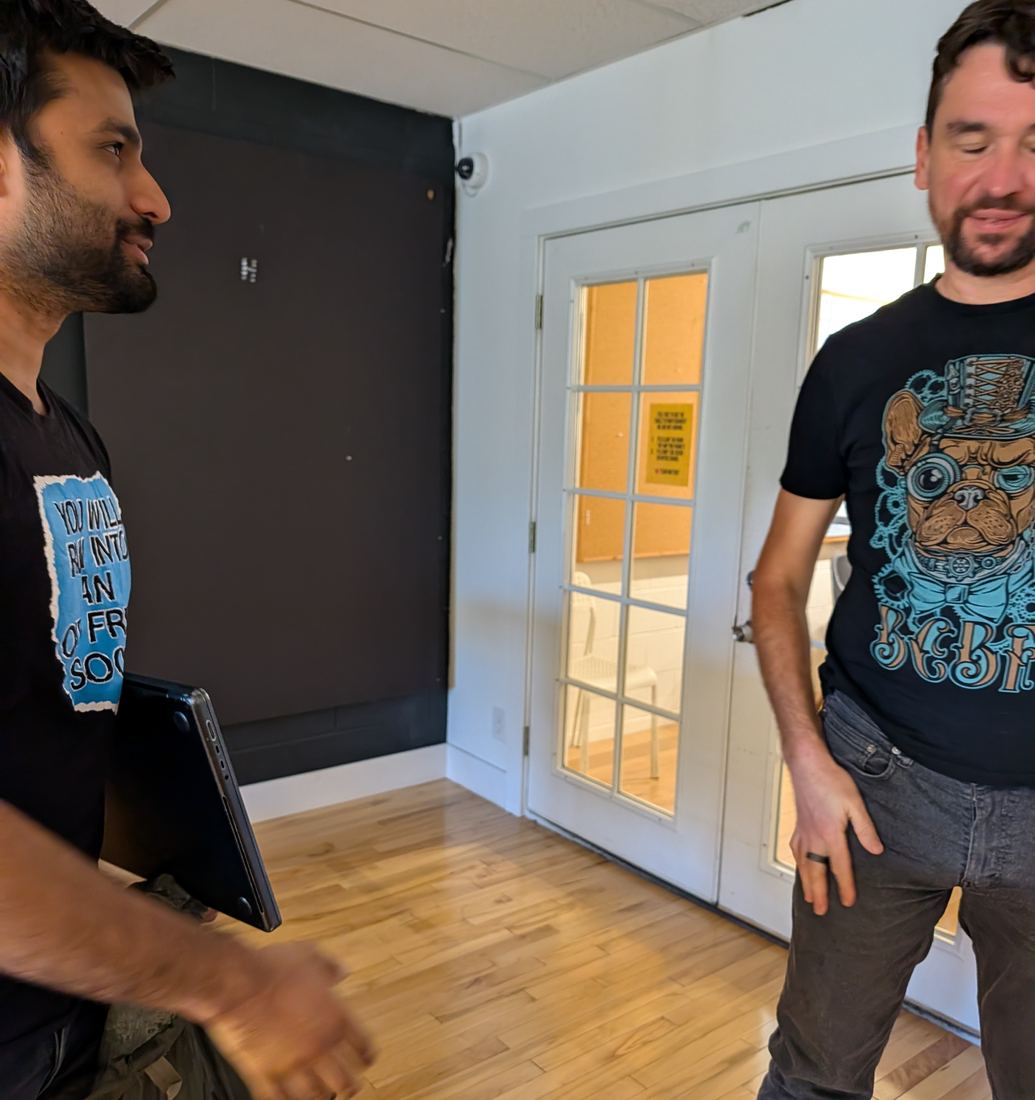
Daanish and Roman. -
Inside the flasher box
Tanya showed the hand-held programmers that can reflash a card's firmware. The community lab's cards have none attached; their firmware updates over the air.
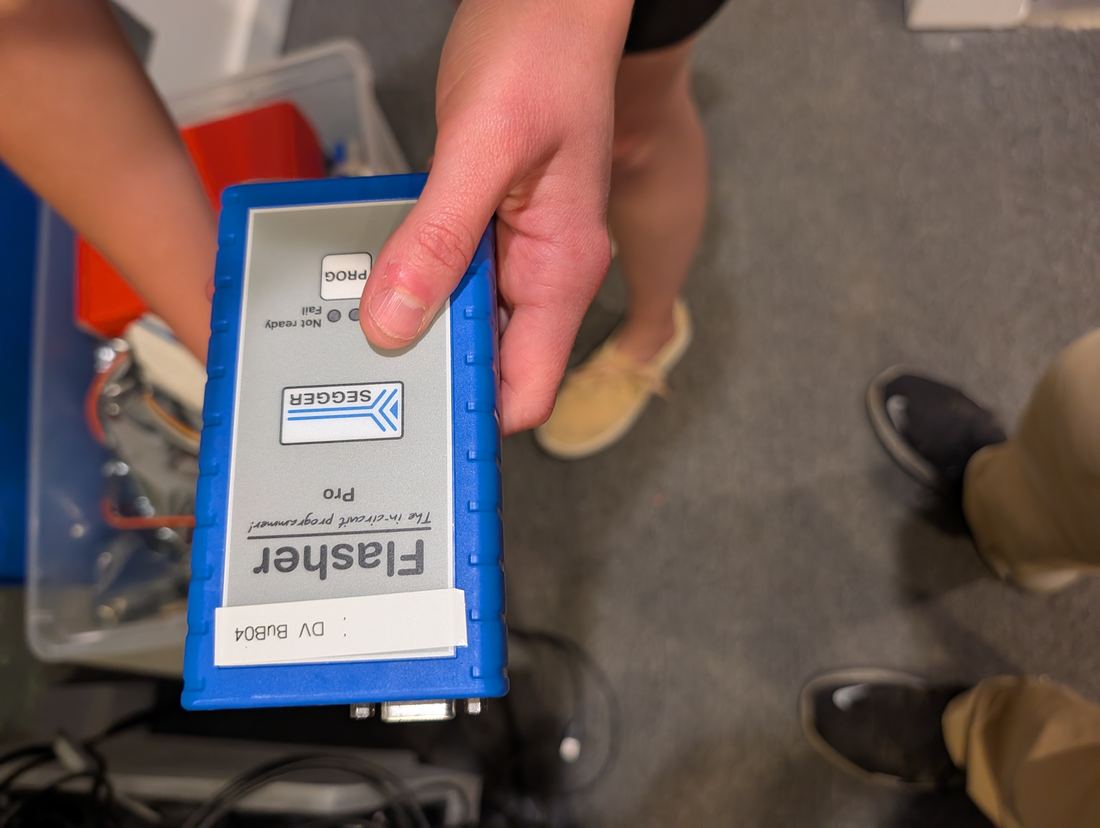
A SEGGER Flasher Pro from the box. 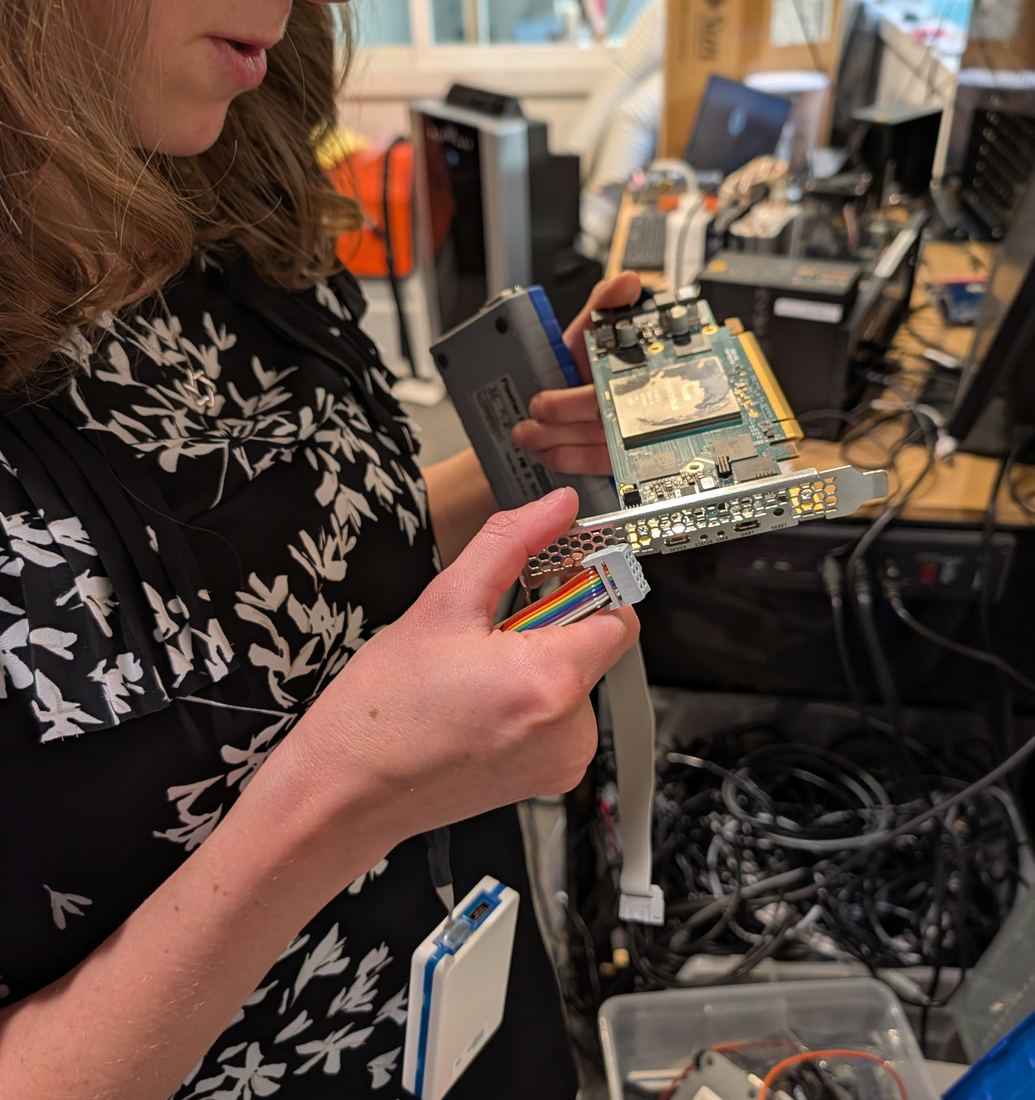
Tanya with a card and its programming cable. -
Laptops out in the main room
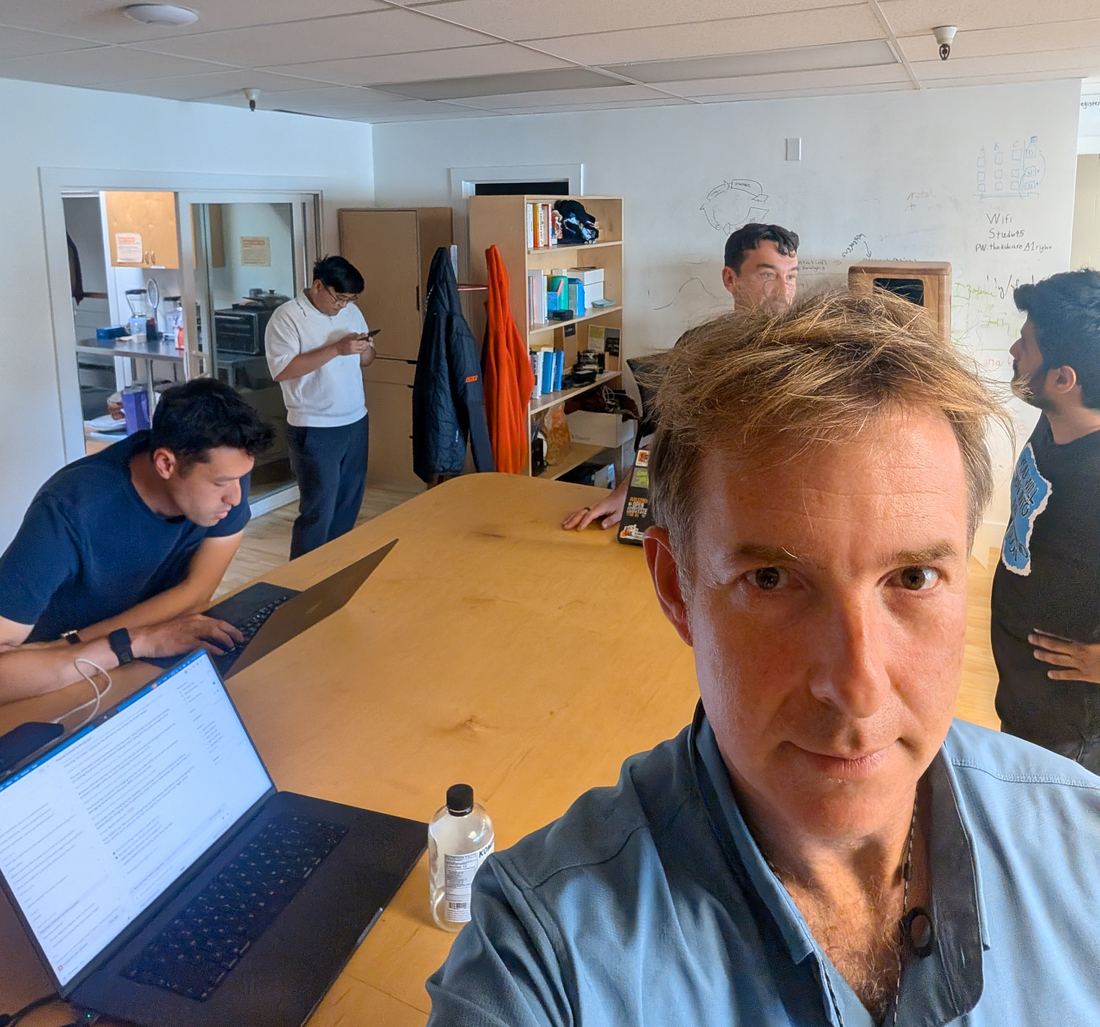
Mid-afternoon at the big table, with me in front. -
The camera goes up behind aifoundry2's card
A Thermal Master P3 on helping hands, aimed at the back of the card, with a measure laid across for scale. The phone beside it shows the live image.
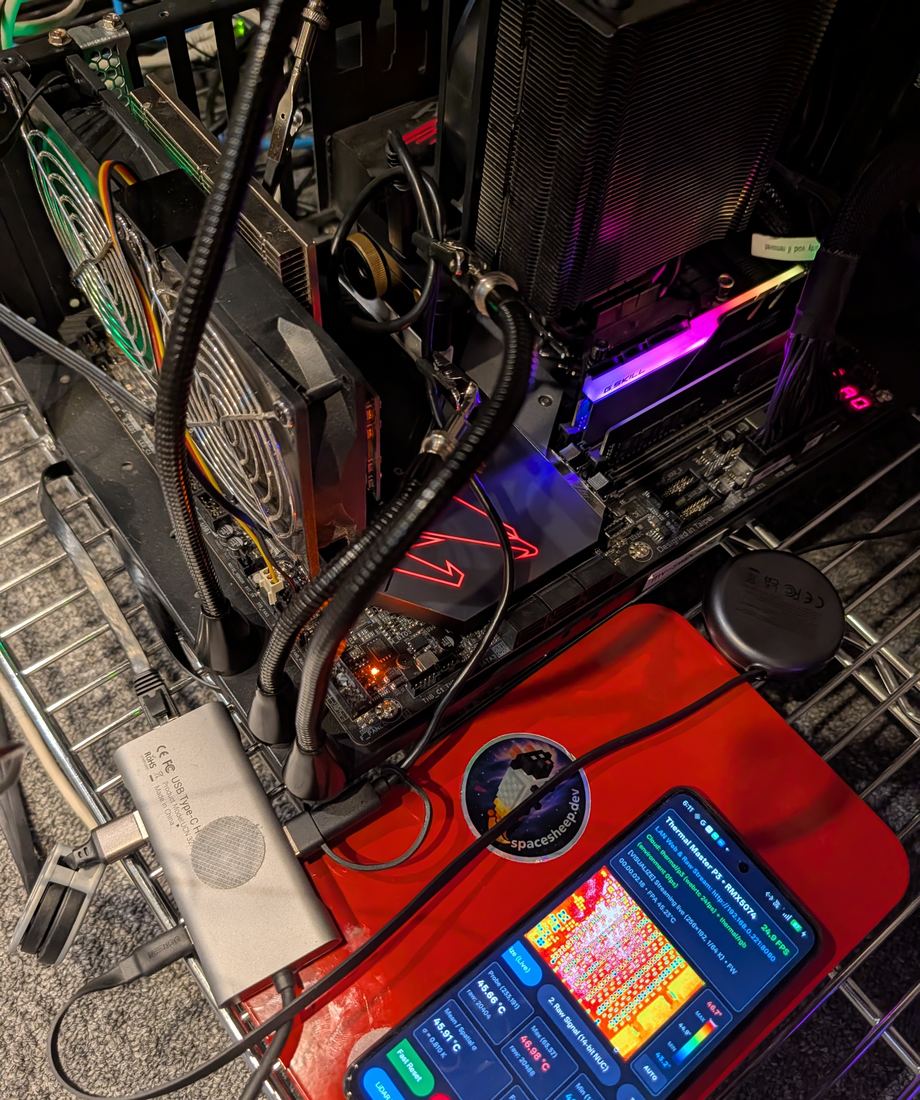
The install, and the phone's live view. 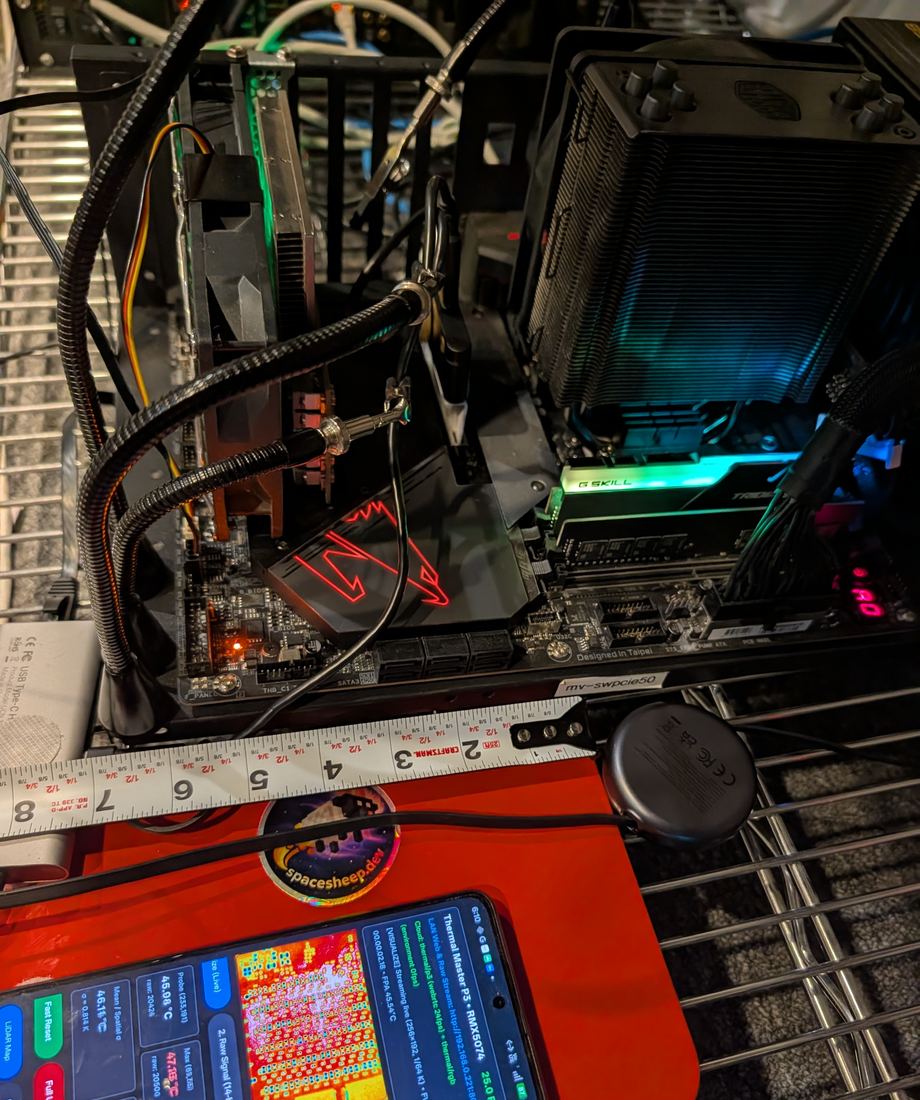
A measure laid across for scale. -
Live: the card's back at 41–47 °C
I posted the stream in #community-lab. Anyone with the link can watch it, read temperatures off it and record them.
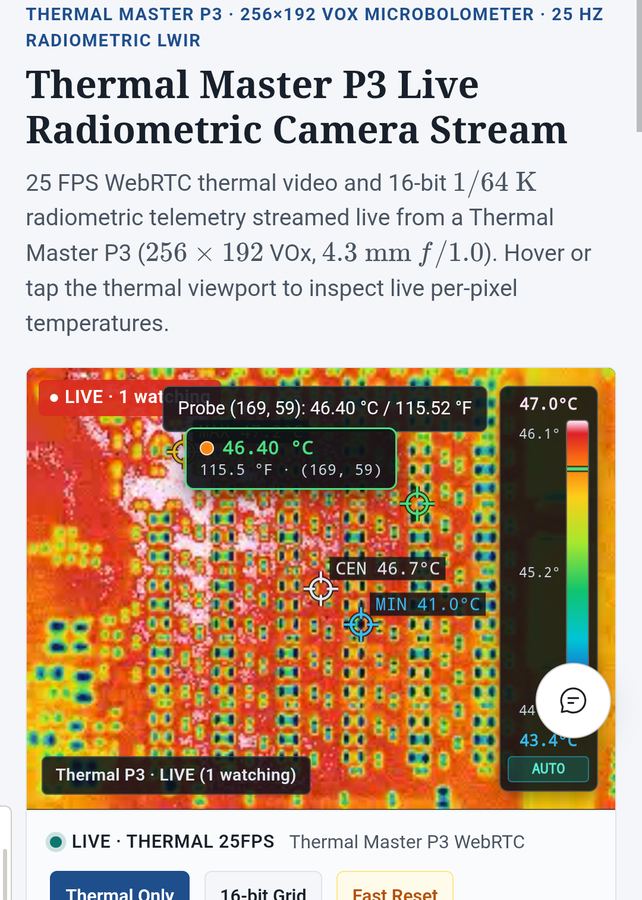
The public page, live.
Next: firmware experiments on the camera's card
- Firmware on aifoundry2. Roman's next step for the card the camera watches. Eric's frequency runs go first, with guardrails so the card can't overheat.
- Take data off the camera. The stream page shows live temperatures to anyone and records them as a CSV.
- Try the cards yourself. New to the lab? Start here, then claim a card in #community-lab.